Cryonics, bad apologies, and one very human mess-up
This preview, based only on the show notes, points to an episode about what happens when ambition outruns reality. It pairs a long story about early cryonics failures with shorter reflections on political apologies and playful riffs on a famous poem about not really saying sorry.
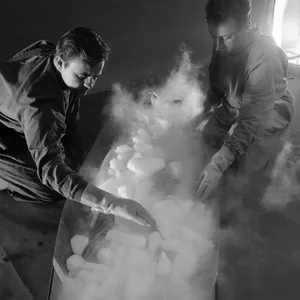
**Preview based on the published show notes — not a recap of the audio.** This episode appears to circle one big idea from very different angles: how people explain themselves after they’ve gone wrong. The show notes frame the hour around apology, but not the clean, satisfying kind. Instead, it looks like the episode is interested in evasion, self-justification, and the difficulty of admitting failure. The centerpiece is Act One, a reported story from Sam Shaw about Bob Nelson, a California TV repairman who got involved in cryonics in the late 1960s. Based on the notes, this section follows the optimism of a new science that promised to “cheat death,” then turns toward the practical and moral problems of trying to preserve bodies for some imagined future revival. The notes suggest the real tension isn’t just technical failure, but what happens when families are left to hear that things went badly. The prologue seems to widen the theme by comparing political apologies with other forms of saying sorry, including a conversation involving Derek Jones and references to preteen girls and King David. Then Act Two shifts tone: Sean Cole uses William Carlos Williams’s “This Is Just to Say” as a springboard for a set of spoof variations by several regular contributors. If you’re drawn to stories where grand ideas collide with ordinary human weakness, this looks like a strong pick. It also seems likely to appeal if you enjoy episodes that balance a serious central narrative with a lighter, literary closing segment.
About this episode
<p>It’s the late 1960s, and a California TV repairman named Bob sees an opportunity to help people cheat death with the new science of cryonics. But freezing dead people isn’t easy. And apologizing for the mistakes you make along the way? Even harder. </p><p>Visit <a href="https://thisamericanlife.supercast.com?utm_id=lifepartners&utm_source=rss&utm_medium=shownotes">thisamericanlife.org/lifepartners</a> to sign up for our premium subscription.</p><ul><li>Prologue: Host Ira Glass talks about the way most political apologies go, and chats with a man named Derek Jones about similar sorts of apologies among preteen girls and King David, in the Old Testament. (7 minutes)</li><li>Act One: In the late 1960s, a California TV repairman named Bob Nelson joined a group of enthusiasts who believed they could cheat death with a new technology called cryonics. But freezing dead people so scientists can reanimate them in the future is a lot harder than it sounds. Harder still was admitting to the family members of people Bob had frozen that he'd screwed up. Sam Shaw reports. (42 minutes)</li><li>Act Two: There's a famous William Carlos Williams poem called "This is Just to Say." It's about, among other things, causing a loved one inconvenience and offering a non-apologizing apology. Producer Sean Cole explains that this is possibly the most spoofed poem around. We asked some of our regular contributors to get into the act. Sarah Vowell, David Rakoff, Starlee Kine, Jonathan Goldstein, Shalom Auslander, and Heather O'Neill all came up with their own variations of Williams's classic lines. (7 minutes)</li></ul><p>Transcripts are available at <a href="https://www.thisamericanlife.org/354/transcript">thisamericanlife.org</a></p><p><a href='https://www.thisamericanlife.org/page/privacy-policy'>This American Life privacy policy.</a><br /><a href='https://podcastchoices.com/adchoices'>Learn more about sponsor message choices.</a></p>