About this episode
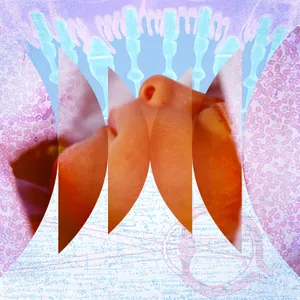
<p>Before he was even born, Sarah and Ross Gray knew that their son Thomas wouldn’t live long. But as they let go of him, they made a decision that reverberated through a world that they never bothered to think about. Years later, after a couple of awkward phone calls, they go on a quest and manage to meet the people and places for whom Thomas’ short life was an altogether different kind of gift. We originally made this story back in 2015, but we wanted to play it again because we love that it brings a view of science that is redemptive, tender, and unexpected.</p> <p>Since we first released this episode, Sarah Gray wrote a book called <a href="https://www.harpercollins.com/products/a-life-everlasting-sarah-gray?variant=32208104914978" rel="noopener noreferrer">A Life Everlasting</a> (https://zpr.io/GVYisRaqe9d6), it’s a memoir about Thomas that dives into the world of organ donation and medical science. She’s also written a beautiful short story about shame called <a href="https://medium.com/@graysarah/the-lacemaker-story-68e0a25da842" rel="noopener noreferrer">The Lacemaker Fairy Tale</a> (https://zpr.io/Li5BMtfHmf92). And, right now she’s working on a script for a movie called Raincheck.<br><br><strong>EPISODE CREDITS:</strong><br> Reported by - Jad Abumrad<br> with help from - Latif Nasser<br><br><strong>LATERAL CUTS -</strong></p> <ul> <li><a href="https://radiolab.org/podcast/cathedral" rel="noopener noreferrer">The Cathedral</a> (https://radiolab.org/podcast/cathedral)</li> <li><a href="https://radiolab.org/podcast/the-immortal-life-of-henrietta-lacks" rel="noopener noreferrer">The Immortal Life of Henrietta Lacks</a> (<a href="https://radiolab.org/podcast/the-immortal-life-of-henrietta-lacks" rel="noopener noreferrer">https://radiolab.org/podcast/the-immortal-life-of-henrietta-lacks</a>) </li> </ul> <p><i>Signup for our newsletter!! It includes short essays, recommendations, and details about other ways to interact with the show. </i><a href="https://radiolab.org/newsletter" rel="noopener noreferrer"><i>Sign up</i></a><i> (https://radiolab.org/newsletter)!</i></p> <p><i>Radiolab is supported by listeners like you. Support Radiolab by becoming a member of </i><a href="http://members.radiolab.org" rel="noopener noreferrer"><i>The Lab</i></a><i> (https://members.radiolab.org/) today.</i></p> <p><i>Follow our show on </i><a href="http://instagram.com/radiolab" rel="noopener noreferrer"><i>Instagram</i></a><i>, </i><a href="http://twitter.com/radiolab" rel="noopener noreferrer"><i>Twitter</i></a><i> and </i><a href="http://facebook.com/radiolab" rel="noopener noreferrer"><i>Facebook</i></a><i> @radiolab, and share your thoughts with us by emailing </i><a href="mailto:radiolab@wnyc.org" rel="noopener noreferrer"><i>radiolab@wnyc.org</i></a><i>.</i></p> <p><i>Leadership support for Radiolab’s science programming is provided by the Simons Foundation and the John Templeton Foundation. Foundational support for Radiolab was provided by the Alfred P. Sloan Foundation.</i></p><br/> <p>Hosted by Simplecast, an AdsWizz company. See <a href="https://pcm.adswizz.com">pcm.adswizz.com</a> for information about our collection and use of personal data for advertising.</p>