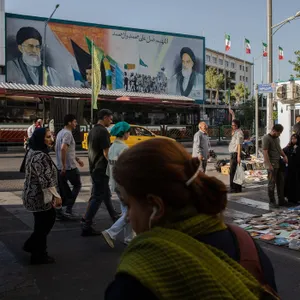
A fragile U.S.-Iran peace deal raises hard questions about who really gained
This preview, based only on the episode notes, points to a discussion of the new U.S.-Iran agreement after three months of war. Expect a look at why early relief gave way to criticism, and how the Trump administration is defending terms that appear to favor Iran.
## What this episode appears to cover Based on the published show notes, this episode examines the political and strategic fallout from the new agreement between Iran and the United States. The deal ends three months of war and reopens the Strait of Hormuz, developments that initially prompted relief before critics focused on the details of the terms. The central question seems to be whether Iran emerged with the better outcome. The notes suggest the agreement has been criticized for appearing to favor Iran, while also leaving some of the hardest issues unresolved and pushed into future negotiations. That makes this episode likely most useful for listeners who want a quick framework for understanding why a peace deal can be welcomed in principle but attacked in practice. David E. Sanger, identified here as a White House and national security correspondent for *The New York Times*, is the guest. From the description, expect him to explain how the Trump administration is defending the agreement amid backlash, including criticism from those who see the terms as too accommodating. If you follow U.S. foreign policy, Middle East security, or the politics of high-stakes diplomacy, this sounds like a timely listen. If you're looking for a full transcript-level breakdown, note that this is only a preview based on the show notes, not a recap of the audio itself.
About this episode
<p>After three months of war, Iran and the United States have agreed to end the conflict and reopen the Strait of Hormuz. The news, which was first met with joy and relief, drew a wave of criticism when the actual terms of the agreement became public this week.</p> <p>David Sanger, a White House and national security correspondent for The New York Times, explains how the Trump administration has defended the deal, which seems to favor Iran.</p> <p>Guest: <a href="https://www.nytimes.com/by/david-e-sanger" target="_blank" rel="noopener noreferrer"><strong>David E. Sanger</strong></a>, a White House and national security correspondent for The New York Times.</p> <p>Background reading: </p> <ul> <li>The U.S.-Iran deal, which left many of the toughest issues to future negotiations, came after <a href="https://www.nytimes.com/2026/06/17/us/politics/us-iran-deal-trump.html" target="_blank" rel="noopener noreferrer">a last-minute scramble.</a></li> <li>President Trump <a href="https://www.nytimes.com/2026/06/17/world/middleeast/trump-iran-deal-obama.html" target="_blank" rel="noopener noreferrer">lashed out at critics of the agreement</a> and threatened to bomb Iran again if it violated the deal.</li> </ul> <p>Photo: Arash Khamooshi/Polaris for The New York Times</p> <p>For more information on today’s episode, visit <a href="http://nytimes.com/thedaily?smid=pc-thedaily" rel="noopener noreferrer">nytimes.com/thedaily</a>. Transcripts of each episode will be made available by the next workday. </p> <p><p>Subscribe today at <a href="http://nytimes.com/podcasts">nytimes.com/podcasts</a> or on Apple Podcasts and Spotify. You can also subscribe via your favorite podcast app here <a href="https://www.nytimes.com/activate-access/audio?source=podcatcher">https://www.nytimes.com/activate-access/audio?source=podcatcher</a>. For more podcasts and narrated articles, download The New York Times app at nytimes.com/app.</p></p><br/> <p>Hosted by Simplecast, an AdsWizz company. See <a href="https://pcm.adswizz.com">pcm.adswizz.com</a> for information about our collection and use of personal data for advertising.</p>